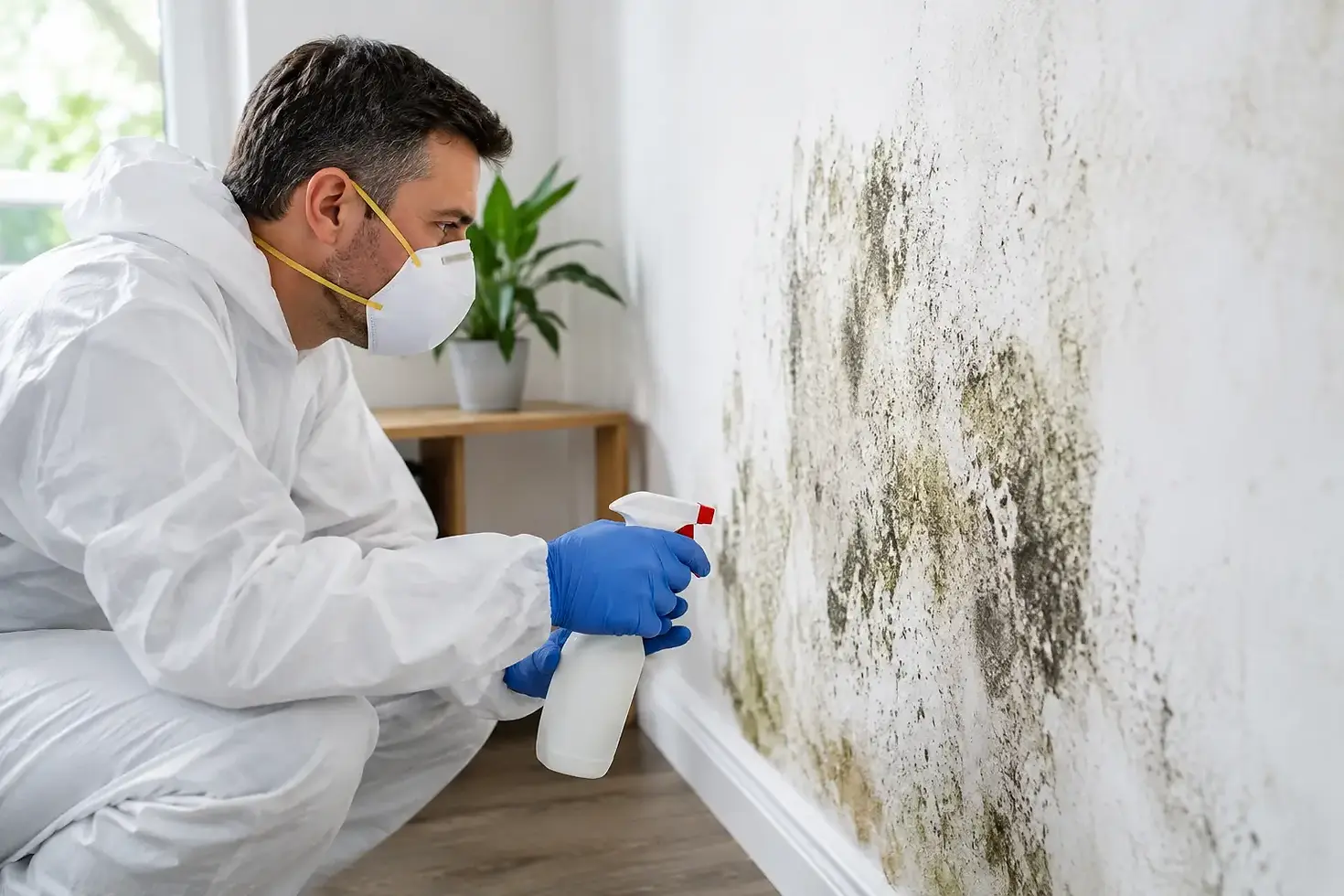
Mold Removal Versus Remediation Explained
A dark patch on drywall or a musty smell after a leak can create immediate concern. The choice between mold removal versus remediation matters because the right response is not simply about making visible growth disappear. It is about controlling moisture, addressing contamination, protecting affected materials, and reducing the chance that the problem returns.
For a homeowner, property manager, or business owner, the terminology can be confusing. Some contractors use the terms interchangeably. They are related, but they describe different parts of a proper recovery process.
Mold Removal vs. Remediation: The Core Difference
Mold removal refers to physically taking mold-contaminated material out of a property. That may include removing affected drywall, insulation, carpeting, ceiling tiles, baseboards, or contents that cannot be effectively cleaned. In some cases, mold growth on a hard, nonporous surface can be cleaned rather than removed, depending on the material condition and extent of contamination.
Mold remediation is the broader process of identifying the moisture source, containing the affected area, removing or cleaning contaminated materials, drying the structure, and verifying that conditions supporting growth have been corrected. Removal can be one part of remediation. It is not the whole job.
This distinction matters because mold spores naturally exist indoors and outdoors. A credible contractor should not promise to remove every spore from a building. The goal is to return the affected area to a normal, controlled condition by removing active growth and contamination, correcting the water or humidity issue, and preventing continued spread.
Why Cleaning Visible Mold Is Often Not Enough
Visible mold is frequently only the surface sign of a moisture issue. Water can travel behind walls, under flooring, into insulation, and through ceiling cavities. If the source is still active, cleaning a stain may improve appearances while leaving the underlying conditions unchanged.
Consider a slow plumbing leak behind a kitchen cabinet. Surface mold may be limited, but the cabinet backing, drywall, insulation, and subfloor could have been exposed to moisture for weeks. Removing one visibly affected panel without drying and inspecting the adjacent cavity can leave hidden materials wet. That is how a manageable issue becomes a larger restoration project.
A complete remediation plan starts with finding out why mold developed. Common causes include roof leaks, foundation seepage, pipe failures, appliance leaks, flooding, condensation, poor ventilation, and incomplete drying after a water loss. Until the moisture source is stopped and the structure is dried, mold removal alone is a temporary measure.
What Professional Mold Remediation Typically Includes
The scope should match the property, material type, source of water, and extent of contamination. A small, isolated area may need a limited approach. Growth connected to a flood, sewage backup, extensive leak, or HVAC issue requires more careful controls.
Assessment and moisture investigation
A remediation team begins by identifying affected materials and checking for elevated moisture beyond what is visible. Moisture meters, thermal imaging, and targeted inspection can help determine whether water reached wall cavities, flooring systems, or structural components.
The assessment also considers the origin of the water. Clean water from a recently repaired supply line presents different concerns than contaminated water from a sewage backup or outdoor floodwater. Contaminated water can introduce bacteria and other hazards that change the cleaning, removal, and disposal requirements.
Containment and air control
During removal work, disturbing mold-contaminated materials can release particles into adjacent rooms. Professional containment helps keep the work area separated from occupied spaces. Depending on the conditions, this can include sealed barriers, controlled entry points, and filtered negative air equipment.
Containment is especially valuable in occupied homes, multi-unit properties, offices, schools, and businesses where protecting unaffected areas is a priority. It also allows the crew to complete removal and cleaning in a controlled work zone rather than spreading dust through the property.
Removal, cleaning, and disposal
Porous materials with significant mold growth or water damage often need to be removed. Drywall, insulation, carpet padding, particleboard, and some textiles can retain contamination and may not be practical to restore safely. Nonporous or semi-porous materials may be cleaned when they remain structurally sound and can be adequately treated.
The decision is not always simple. Removing more material can increase cost and reconstruction needs, while trying to save unsuitable material can leave contamination behind. The right approach balances safety, material condition, restoration cost, and the ability to return the area to a clean, dry state.
Structural drying and moisture control
Drying is what separates a quick cleanup from a meaningful recovery effort. Professional equipment and monitored drying methods remove moisture from framing, subfloors, wall cavities, and other building materials. The objective is to reach appropriate dry standards, not merely to make the room feel dry.
If humidity, ventilation, or condensation contributed to the problem, the remediation plan should address that as well. A bathroom fan that does not vent outdoors, a damp basement, or an uninsulated cold surface may need correction to reduce future risk.
When Mold Removal May Be Enough
There are limited situations where focused removal or cleaning may be appropriate. A small area of surface growth caused by a brief, fully corrected moisture event may not require extensive containment or reconstruction. For example, a minor spot on a nonporous bathroom surface may be cleaned after the ventilation issue is resolved.
Even then, the key question remains the same: is the material dry, sound, and free of hidden moisture? If the answer is uncertain, a professional inspection can prevent guesswork. Mold can grow behind painted surfaces or under finishes before there is an obvious visual clue.
DIY cleaning is not a good fit for widespread growth, recurring mold, water-damaged building materials, mold following sewage or floodwater exposure, or situations involving vulnerable occupants. People with respiratory concerns, allergies, or weakened immune systems should avoid exposure and consult appropriate health professionals for personal medical guidance.
Insurance Documentation Can Affect the Recovery Process
When mold follows a sudden and accidental water loss, documentation can make the insurance process clearer. Insurers may review the cause of loss, the timing of mitigation, moisture findings, photographs, affected materials, drying records, and invoices. Coverage varies by policy and cause, so no contractor can guarantee a claim outcome.
What a restoration professional can do is document conditions accurately and explain the scope of emergency mitigation work. Fast action also helps demonstrate that reasonable steps were taken to limit secondary damage. Waiting while materials remain wet can increase deterioration and complicate both the restoration plan and the claim discussion.
For commercial properties, documentation is particularly useful when owners, tenants, facility managers, insurers, and multiple contractors are involved. A clear record keeps decisions grounded in actual site conditions rather than assumptions.
Signs You Should Request a Professional Assessment
A musty odor that persists after cleaning deserves attention, particularly after a leak or flood. So do stains that return, bubbling paint, warped flooring, soft drywall, visible growth larger than a small isolated area, or condensation that repeatedly forms on interior surfaces.
It is also wise to arrange an assessment after water has entered concealed spaces, even if the visible area now looks normal. A burst pipe, appliance overflow, roof leak, wet basement, or overflow from an upper floor can leave moisture where household fans and surface cleaning cannot reach.
Drytek Solutions approaches these situations as water-loss recovery issues first and mold-risk issues second. The priority is to stop the source, extract water where needed, identify affected materials, dry the structure, and remove contamination when it cannot be safely restored. That coordinated process helps protect the property before a small moisture problem becomes a major repair.
If you suspect mold after water damage, do not wait for the odor or staining to worsen. Prompt assessment gives you clearer information, preserves more restoration options, and helps you make the next decision with confidence.


Comments